47.38° N, 8.54° E · International
Europe
Snow peaks, old cities and lake cruises on one well-planned trip, with Indian dinners.
Why go
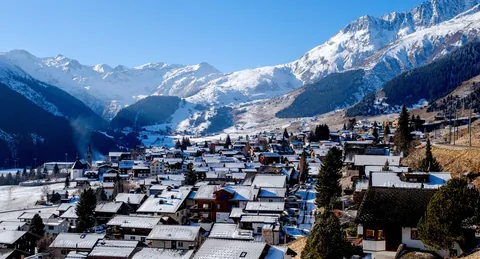
Europe is the holiday many families save up for, and it rewards good planning. A typical trip strings together a famous capital with its iron tower and river cruise, a mountain country of lakes and snow peaks, and old cities of canals, domes and fountains. One day you stand in snow at the top of a cable car, and two days later you ride a gondola on a canal.
It suits families with school-age children, couples and fit seniors who are happy to walk a few kilometres a day. Coaches drop you close to each sight, but old towns are on foot and churches have steps. Families who dislike crowds prefer May, June and September.
Food is the first question families ask, and the answer is easy. Our groups eat Indian dinners at Indian restaurants in each city, with pure-veg and Jain meals arranged in advance. Hotel breakfasts are continental, so many families carry theplas and khakhra for the first days. Start the visa work about three months before travel.
When to go
- JJanuary
- FFebruary
- MMarch
- AApril (good)
- MMay (good)
- JJune (good)
- JJuly (good)
- AAugust (good)
- SSeptember (good)
- OOctober (good)
- NNovember
- DDecember
- April to JuneSpring: tulip gardens in bloom until mid-May, mild days of 15 to 22 °C and deep snow still on the high peaks. A good balance of weather and crowds, and the Indian school holidays.
- July to AugustSummer: daylight until about 9 pm, 25 to 32 °C in the cities with heatwaves possible, and every sight crowded. Book well ahead.
- September to OctoberAutumn: pleasant days of 15 to 22 °C, forests and vineyards turning colour and fewer crowds. A fine time for seniors.
- November to MarchWinter: cold at 0 to 8 °C, short days, Christmas markets in December and skiing in the mountains. Some lake cruises and mountain trips run less often.
Getting there
- By airFlights from the nearest big airport with one change; we book the best connection for your dates. Most tours fly into one city and out of another to save time. Europe is 3 hours 30 minutes behind India in summer and 4 hours 30 minutes in winter.
- By trainNot needed to get there. Inside Europe, fast trains link the big cities, and mountain railways are a sight in themselves.
- By roadNot needed to get there. Group tours use a coach between cities, with drives of a few hours on travel days.
- PickupPickup from Satara and Phaltan can be arranged for group departures.
What you will experience
- 01The iron tower and a river cruiseGo up the famous tower, then cruise past palaces and bridges in the evening.
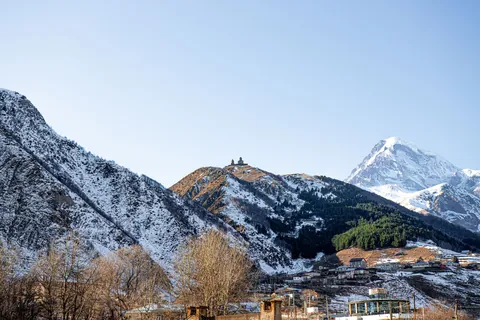
- 02Train and cable car to the snowA mountain railway or rotating cable car to a glacier viewpoint, even in summer.
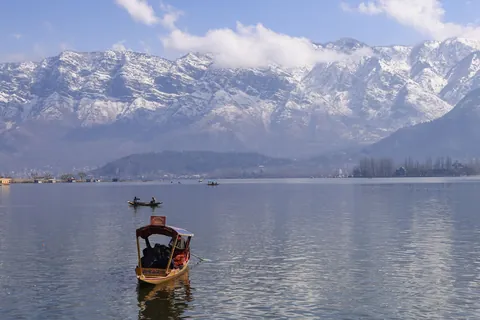
- 03A cruise on a mountain lakeCalm blue water, wooden bridges and snow peaks seen from the deck.
- 04A gondola ride on the canalsGlide through a city built on water, past old palaces and small bridges.
- 05Ancient arena and great domesAn ancient stone arena, a wishing fountain and huge painted ceilings in one old capital.
- 06Canals, windmills and tulipsA canal boat ride, a cheese and clog farm, and tulip gardens in spring.
Tour Europe with us
Practical
- Vegetarian food
- Group tours take Indian dinners every evening at Indian restaurants in each city, with pure-veg and Jain meals arranged in advance. Hotel breakfasts are continental: bread, cheese, fruit, cereal and eggs. Lunches are either packed meals or free time, and many families carry theplas, khakhra and ready-to-eat packets for the first days.
- Documents and permits
- Indian passport holders need a short-stay visa that covers most countries on a typical tour. You apply to the embassy of the country where you spend the most nights, and give fingerprints in person at a visa centre. The passport must be valid for at least three months beyond your return, with blank pages. You also need bank statements, income-tax returns, job or business proof, confirmed bookings and travel insurance. Appointments fill up, so start about three months ahead. Rules change, so we confirm for your dates and help prepare the file.
- Phones and money
- Most countries on a typical tour use the euro, though one or two have their own currency. Cards and contactless payment work almost everywhere, so a forex card plus a little cash is enough. UPI is accepted only in very few places. A European e-SIM bought before you leave is the simplest option, but check which countries it covers.
- What to carry
- Passport, visa, insurance certificate and hotel printouts in one folder
- Warm layers, gloves and a cap for the snow viewpoints, even in June
- Comfortable walking shoes that are already broken in
- A universal travel adaptor, a power bank and a small umbrella
- Theplas, khakhra, pickle and medicines with prescriptions
Questions about Europe
How long does the visa take, and when should we apply?
Allow about three months. Appointments fill weeks ahead in the busy season, and the embassy then takes a few weeks to decide. Everyone, including children and seniors, gives fingerprints in person. We help you prepare the documents.
How many nights does a first trip need?
Most families take ten to fourteen nights for a first trip covering three or four countries. A shorter trip of about a week works if you focus on two countries.
Is Europe suitable for senior citizens?
Yes, for seniors who walk comfortably. Coach tours keep walking to a few hours a day, but old towns are cobbled and lifts are small. High snow viewpoints can cause breathlessness. September and October are the kindest months.
What about Indian and Jain food?
Our groups eat at Indian restaurants every evening, with pure-veg and Jain meals fixed in advance. Lunches may be packed or on your own, and breakfasts are continental, so carry theplas and khakhra for the first days.